Welcome to the promised land- we have finally entered 2021. The first quarter of the year was promising – India entered the new year with rapidly declining COVID cases and a vaccine rollout for the elderly. There was a sense of normalcy returning. However, as March rolled around, things regressed as the COVID outbreak took a turn for the worse. India’s complacency and lack of preparedness has left the country struggling for essential resources. When we started the LB Cares initiative last year, we looked at it from both a short term and long term impact perspective to find holistic ways of charitable contributions via fundraising campaigns to reach rural women, farmers, delivery partners, migrant workers through various portfolios. This year, there seems to be a different need of the hour and we have reactivated our efforts to meet COVID related needs for people who are directly affected by it - oxygen cylinders, medicine for covid patients, mental health services to ones who need it and feminine hygiene kits to frontline female workers.
Despite the worrying macro conditions, this quarter was full of small, joyful wins for us at Lightbox. We were finally able to open our office for a few weeks in February and see each other in-person, albeit momentarily.

February also marked the official announcement of our investment in Innerhour, the latest addition to our portfolio family. You can read more about our investment thesis here.
VC deal activity in India picked up significantly, both in terms of companies raising funds and capital deployed. Overall, PE and VC funding in India increased around 85% from $6.54BN in Q1 2020 to $11.85BN in Q1 2021 led by investments in Zomato, Byju’s, and Dream11. 2021 has already seen the birth of 10 unicorns in India. 6 of these came in one single week- between April 5 and April 9, they raised $1.55BN to enter the unicorn club, in what has been a record-setting week of funding.

This quarter also saw one of the largest exits by a gaming company: a domestic IPO by Nazara Technologies. The $77MM IPO was oversubscribed a whooping 175 times, giving the company a market cap of $700MM. This highlights the rapidly changing perceptions of startups in India, as similar startups would have previously had to look to foreign markets to go public. After Nazara all eyes are now on Zomato, India’s largest online food aggregator. It recently filed for a $1.1BN IPO, soon to go public on the Indian markets.
Over the past year we have had the opportunity to dig deep into many spaces. We post our analyses regularly on our Twitter handle and in our newsletter (subscribe here). Here’s what we researched this quarter-
Take a walk through any neighborhood in India and there is one sight you simply cannot miss – Kirana stores. These are your quaint little unassuming stores, peppered all across the nation in various shapes and sizes. Kiranas have sustained local neighborhoods for decades, and make up 90% of the overall Food and Grocery Industry. The lockdown disproportionately affected the local Kiranas (13MM+) and SMEs (50MM+)- they had to operate within a truncated window during the early hours of the morning, deal with supply chain disruptions, and get comfortable with customers wanting to order remotely.
These Kiranas have functioned in a certain way for generations. Kiranas hold massive potential ($500BN+) waiting to be unlocked and are a uniquely Indian opportunity with no western parallel. Kiranas are primed not to be disrupted but to become tech-enabled. A plethora of startups have realized this opportunity and are working with Kiranas to solve for various day-to-day responsibilities of the Kirana owner, giving rise to a newly coined industry: KiranaTech.

We have been bullish and very confident of the Kirana story playing out in India. Our portfolio companies, Dunzo and WayCool, are contributors to the first wave of KiranaTech startups. Startups solving for making a store’s operations smoother (Enablers) will always have a market in India. As the second wave of startups brings with it a new wave of digitization, we’re keeping our eyes and ears close to the ground, while trying to find answers to differentiation, retention, and monetization. You can find our detailed thesis on this topic here.
Kiranas have built trust and loyalty with their customers. They allow for credit based solely on a relationship that has been established over years of transacting with each other. Convenience and the ability to transact seamlessly are important to maintain this loyalty. Incumbent D2C brands are starting to recognize that. Buy Now Pay Later (BNPL) products have been largely built on these values – reducing friction for both consumers and merchants to make and receive payments.

BNPL is in its nascent stages with small average transaction values and low frequency, however, this industry has seen some massive acceleration due to COVID and rising e-commerce penetration. India is a country with a huge trust deficit, where cash on delivery remains the most common form of payment. No interest BNPL has the potential to be the preferred ‘pay later’ payment method for e-commerce transactions that are less than Rs.10,000. The faster, frictionless and credit-based payment method gives consumers a sense of trust. Read our detailed thesis on BNPL here.
We are pleased to announce our investment in InnerHour. Holistic, end to end care is central to addressing the mental health challenges. In practice, this translates to building solutions that meet customers on every step of their journey. We call this set of solutions the care continuum.

This is where InnerHour steps in. By developing an omni-channel mental health platform driven by a strong technology backend, the company provides a comprehensive suite of services and products that address the entire set of mental health needs. The critical lever in this business is that they provide care at every touchpoint in a coordinated manner with a technology and data-driven backbone that drives process innovation to deliver better outcomes faster.
After 14 months of remote learning, schools look very different. With the right amount of training for teachers, parents, and students, there is a huge opportunity for innovation, collaboration and transformation in the ed-tech industry. Here is how Flinto took a hybrid approach to provide education to preschool children.
Melorra launched 4 customer experience centres in Bangalore and Delhi making the purchase of their everyday jewelry even more seamless. Customers walk in not just to buy jewelry, but also to get informed about global fashion trends. There is a ‘Bliss Bar’ wherein women along with their friends can have fun trying Melorra’s latest jewelry or just go through the recent trends. Read more here.
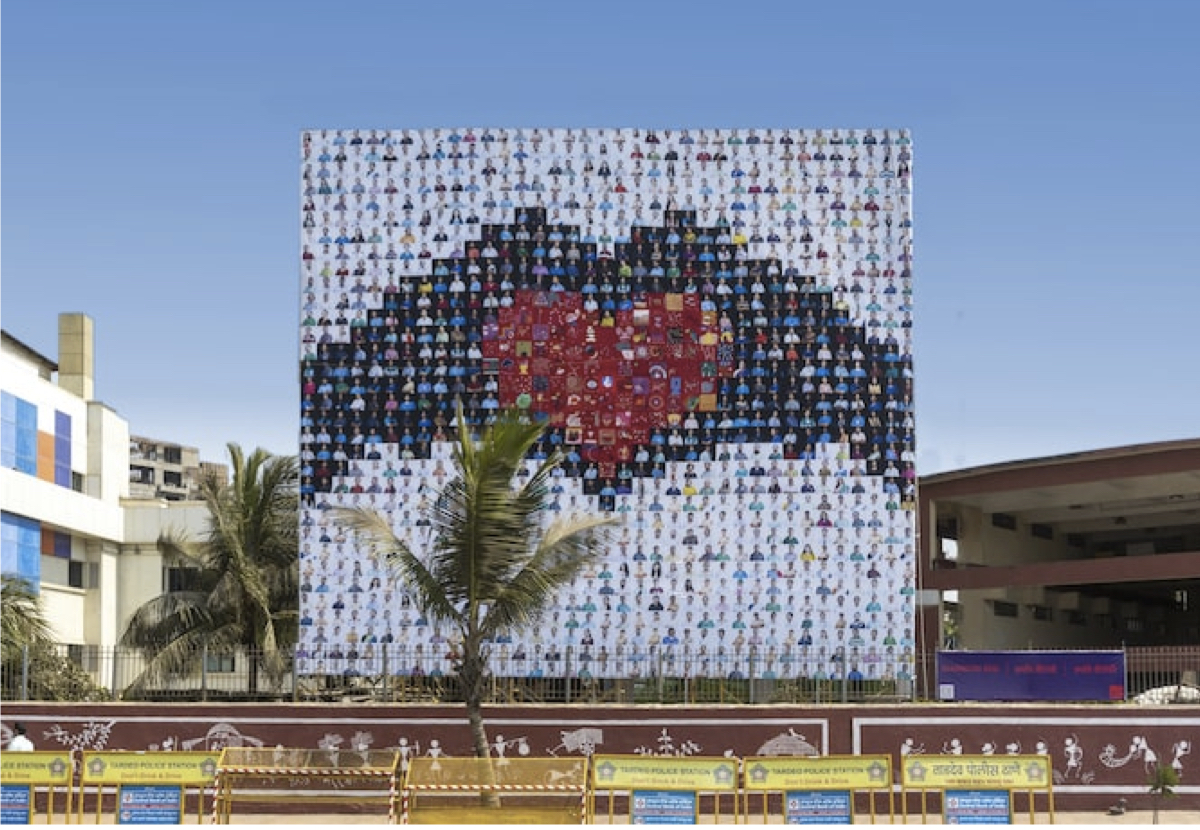
Aren’t we all a patchwork quilt of past experiences? Bombay Shirt Company partnered with the Corona Quilt Project to create public installations of 12,000 squares of decorated fabric quilted into large artworks. Each of these squares was either contributed by thousands of individuals from across India or made from excess fabric upcycled by Bombay Shirt Company. The result was a series of building sized artworks that helped create a tangible expression of our lived experience through this pandemic and our hope for the future. Watch more here.

In the past few months we have been hosting a bi-weekly chat on Clubhouse, the series titled ‘India ConsumerTech Huddle’ hosts candid conversations with the ecosystem stakeholders - join us for our next one! You can check out our learnings from the last one on AgriTech here.

This quarter we had the pleasure of hosting an event with Hadas Drutman, who heads global omnichannel efforts for Glossier, for all our portfolio companies. We learnt about mission and brand evangelists, scaling retail, and exceptional customer experience. Check out our learnings here.
We published our thoughts on the latest asset class (and buzzword) in town- Cryptocurrency. With India producing 6 unicorns in 5 days, we noticed a glaring similarity between Crypto and Unicorns- the need for stability. Read our detailed thoughts on their intersection here.
There’s a lot in store for the coming quarter. Taking the D2C theme forward, we’re also exploring the burgeoning Personal Care space in India. On top of that we’re also looking into the WealthTech space and deep-diving into the fascinating world of NFTs. As COVID takes over the country again, we’re hoping and praying for everyone’s health and well-being. We’re back to working remotely, readjusting to the Zoom life and hope you’re staying safe and healthy.